I’m Gijs Van Breugel.
I work as a psychotherapist and coach from my home in Normandy, with clients around the world, in English, French, and Dutch.
My work is online and built around continuity, depth, and real contact.
I work across a broad psychological range and do not limit my practice to one diagnosis, one niche, or one fashionable method.
I use different therapeutic approaches depending on the person, the problem, and the stage of the work.
I keep my practice deliberately small. I prefer real work with a limited number of people over a full calendar and a thin relationship.
Below on this page you’ll find the formal side of my work as well: training, and professional background.
Gijs VAN BREUGEL ... What Most People Don't Know About Me
The Unofficial Bio
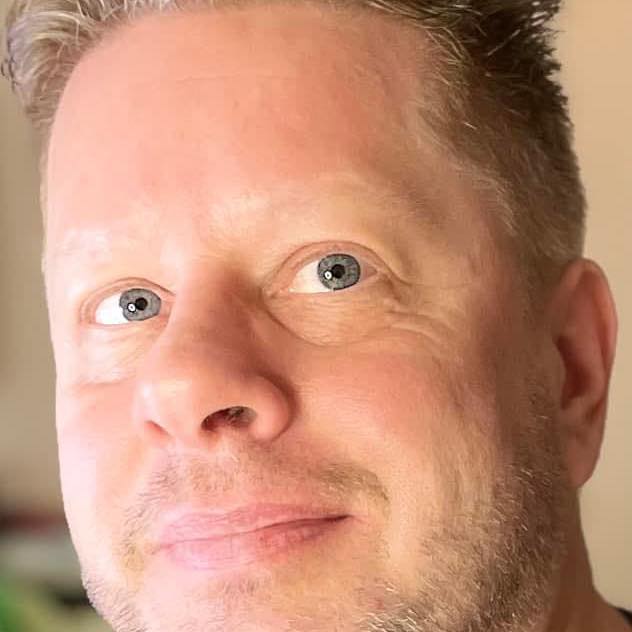
I’m not very interested in polished people.
Or in polished therapists, for that matter.
I have a deep dislike for surfaces that look right while something underneath is quietly going wrong.
Maybe that is one of the reasons I do this work.
I’m not impressed by people who can explain themselves beautifully if their life keeps collapsing in the same places.
And I’m not impressed by therapy that sounds intelligent but never really reaches the point.
What matters to me is always the same thing: where is the real thing here?
Not the tidy version. Not the version someone has practised. Not the version that sounds psychologically correct.
The real thing.
In my work, but also in life, I value directness, humour, intelligence, loyalty, and people who can bear reality without constantly decorating it.
I am not drawn to noise. I’m not drawn to performance. I’m not drawn to the endless modern pressure to package yourself, optimise yourself, brand yourself, and call it growth.
I prefer honesty. Even when it is awkward. Even when it comes late. Even when it ruins the nice story.
I work from home, quietly. I like depth, precision, atmosphere, good language, and people who do not need to shout to be serious. I also have very little patience for fluff.
That does not mean I am hard for the sake of hardness.
It means I would rather be real than soothing, and useful rather than impressive.
The people who usually find me are often not looking for someone to cheer them on. They are looking for someone who can actually meet them. Someone who can think, feel, stay present, and not disappear behind formulas.
That matters to me too.
I don’t want to build a practice where people come to be managed, corrected, or endlessly interpreted.
I want to build a place where something more honest can happen than that. And always with a smile...

So This Is Me. Unofficially.
So if you are reading this page because you want to know who is actually behind me, this is probably the simplest answer:
I take people seriously.
I do not rush them.
I do not perform at them.
I do not need them to be neat.
And I do not lose interest when things become complicated.
That is probably more important than any polished biography.
And
I live in Normandy near Rouen with my beautiful wife and a French bulldog called Teddy. I enjoy my rose garden and to relax I read, crochet and tend to my garden.
Get in touch with me

Applied Positive Psychology Institute
Accredited Mastercoach
My Toolbox
Positive Psychology, EMDR, EFIT, EFT, DBT, CBT, Mindfulness, Grief counselling, Personality disorders, ACT, Trauma PTSD and CPTSD, Emotions work, and much more